By Joop Logger
Founder – CEO of GamRealty | Property Matchmakers in The Gambia.
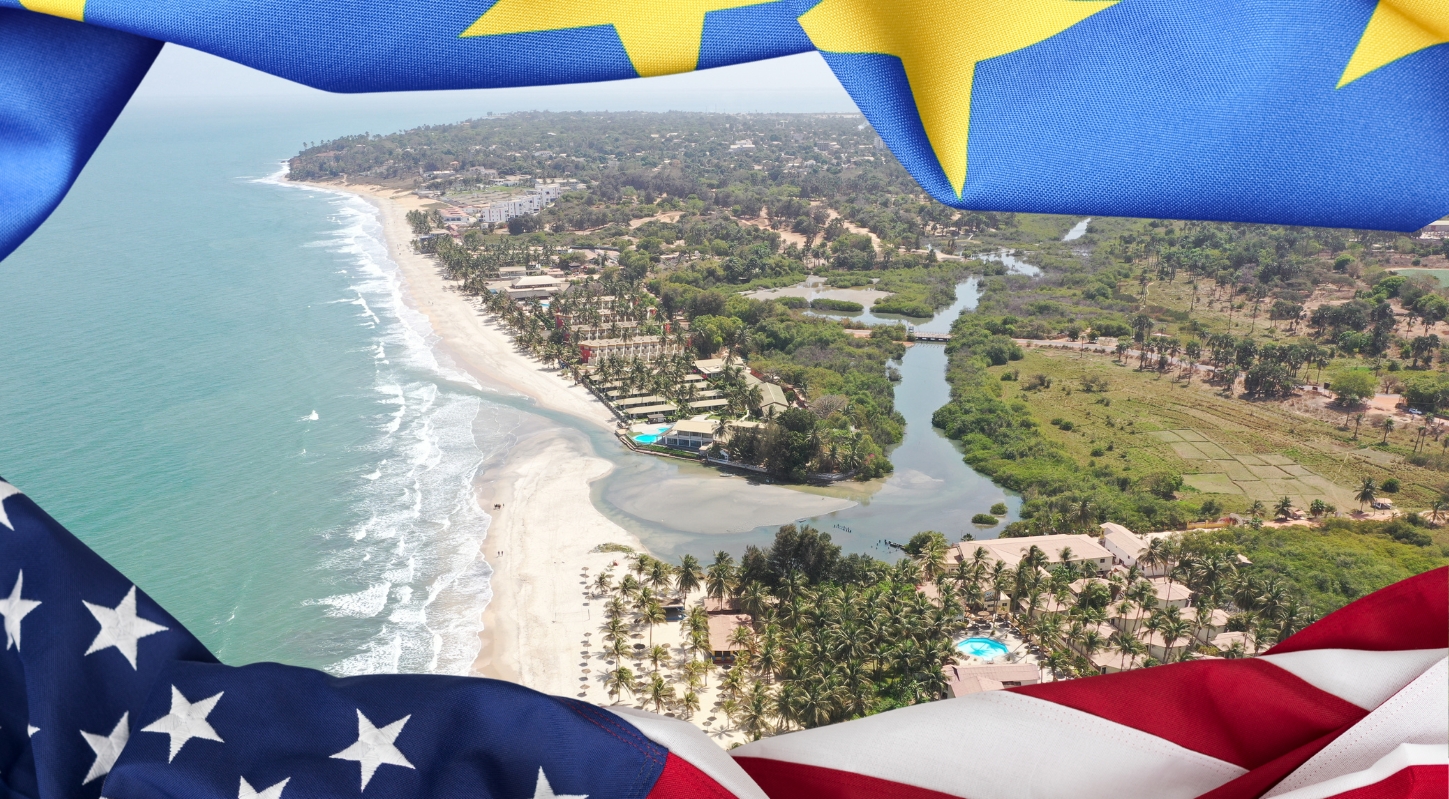
In recent years, conversations with clients from Europe and the USA have subtly changed. Not dramatically. Not emotionally. But noticeably.
The geopolitical landscape feels more fragile than it did a decade ago. The war in Ukraine continues to affect energy markets and economic stability. Tensions in the Middle East fluctuate unpredictably. Political polarization in Western countries has intensified. Inflation and economic pressure impact households across Europe, USA and all other parts of the world.
Most people are not panicking. But many are thinking more strategically about long-term positioning.
Increasingly, a quiet question emerges:
What if we had a second base? Somewhere stable, accessible, and outside the main geopolitical pressure zones.
For some, The Gambia is becoming part of that discussion.
Why The Gambia?
The Gambia is a small West African nation of just over 2.5 million people. It is not a global power. It is not strategically central to international conflicts. Its geopolitical profile is modest — and in today’s world, modesty can translate into stability.
Since the democratic transition in 2017, the country has experienced relative political normalization and steady economic development. Tourism, agriculture and diaspora remittances remain core economic drivers. Coastal regions have developed significantly over the past decade, with modern residential projects now offering standards comparable to Southern Europe.
Areas such as Kololi, Brufut, Bijilo, Tanji and Sanyang have become established residential zones for both international and diaspora buyers.
From a global risk perspective, The Gambia remains peripheral to the major geopolitical tensions currently shaping Europe, Eastern Europe and parts of the Middle East. That geographic distance creates a different type of environment — one less directly exposed to global strategic conflicts.
It is important to remain balanced. Most buyers choose The Gambia for lifestyle reasons.
- Year-round sunshine.
- Atlantic coastline.
- Open space.
- Affordable
- Lower population density.
- A slower pace of life.
The climate and natural environment alone make the country attractive as a second home destination. Property owners enjoy extended winter stays, rental income opportunities during high season, and the option to live semi-permanently in retirement.
Accessibility also plays an important role.
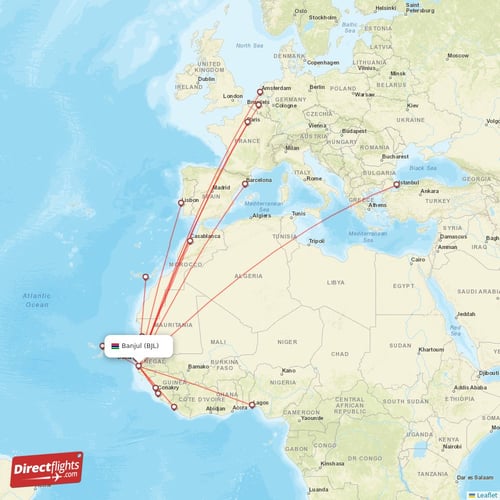
From Western Europe, direct flights take approximately six hours. English is the official language. The legal system is based on common law principles, and foreign property ownership is well established. Entry procedures for European nationals are straightforward, and residency pathways are manageable.
These practical foundations matter. A second home must be realistic, not complicated.
Investment Perspective
From a real estate standpoint, The Gambia remains an emerging market. Coastal land prices are still significantly lower than Mediterranean destinations. Development costs are increasing gradually but remain competitive.
Well-located apartments near the beach and high-quality villas in established neighborhoods can generate rental returns driven by tourism and the Gambian diaspora. At the same time, long-term capital appreciation remains possible as infrastructure and international awareness continue to grow.
It is not a speculative boom market. It is a steady-growth market. That distinction is important.
A Second Home as Diversification
In today’s environment, some buyers also look at property through a broader lens: diversification. In finance, diversification reduces concentration risk. Assets are spread across currencies, countries and sectors. Increasingly, individuals apply similar thinking to lifestyle and geography.
A second home in The Gambia can serve multiple functions simultaneously:
– Holiday residence
– Income-generating rental asset
– Long-term retirement base
– Geographic diversification
You may never need more than the first two. But optionality itself has value.
Balanced Realism
No market is without challenges. Infrastructure in The Gambia is improving but does not match Western European standards. Power supply in certain areas can be inconsistent, although solar systems are increasingly common in new developments. Healthcare services are developing; comprehensive insurance coverage is recommended for international residents.
Professional due diligence is essential. Title verification, development background checks and structured contracts are critical components of any purchase.
At GamRealty, we focus precisely on that: verified documentation, clear legal pathways and realistic financial projections.

Perspective from Experience
Having lived and operated in The Gambia for over a decade, I have seen global crises unfold — economic volatility, political shifts, travel disruptions and the global pandemic. Through these periods, daily life in The Gambia has remained comparatively steady.
That does not make the country immune to global events. No country is. But its geographic and geopolitical positioning places it outside the primary centers of international tension.
In uncertain times, distance can be an asset.
Conclusion: Informed Optionality
A second home in The Gambia is first and foremost a lifestyle and investment decision. For some, it also represents strategic peace of mind — not as a reaction to fear, but as a considered long-term positioning strategy.
At GamRealty, we approach this topic professionally and factually. No alarmism. No exaggerated promises. Just transparent information, verified properties and structured guidance.
If you are exploring the idea of a second home in The Gambia — whether for lifestyle, investment or geographic diversification — we are happy to provide a detailed, tailored overview of available opportunities and the legal process involved.
Strategic decisions begin with accurate information.
Joop Logger
Founder – CEO GamRealty
Property Matchmakers in The Gambia